The 2026 Officiating Crisis
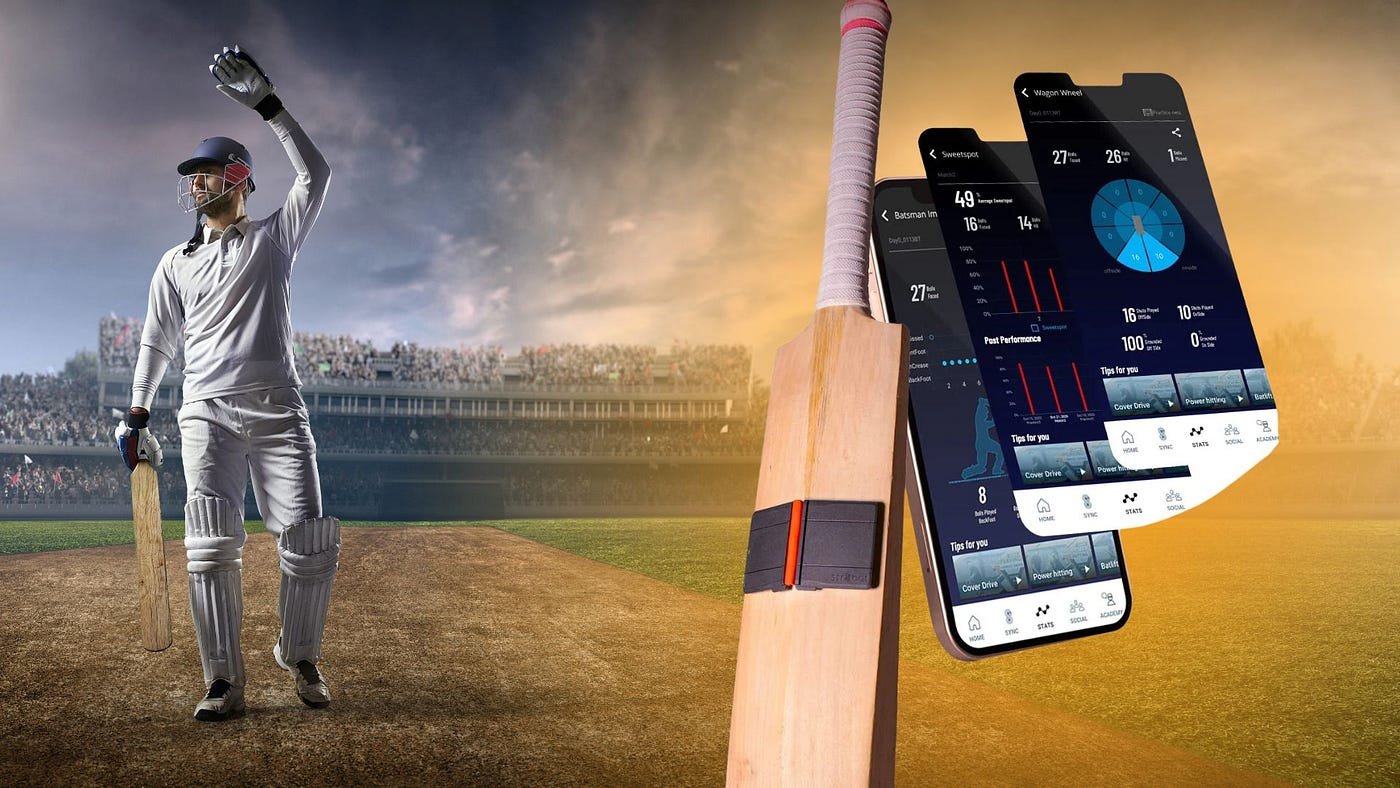
As the speed of the game increases, the margin for human error shrinks. In 2026, the debate surrounding the AI Umpire has reached a fever pitch. While the “Human Element” is a cherished part of cricket tradition, the accuracy of computer vision systems like Hawk-Eye and Virtual Eye has improved to the point where they are arguably more reliable than the human eye in high-pressure Leg Before Wicket (LBW) scenarios.
The Technology Stack
Modern AI umpiring relies on a multi-layered sensor array:
- Ultra-High Frame Rate Cameras: Capturing the ball’s trajectory at up to 1,000 frames per second in 4K resolution.
- Neural Path Prediction: AI models trained on millions of historical deliveries to predict—with 99.9% accuracy—where the ball would have traveled had it not hit the batter’s pad.
- Acoustic Edge Detection (UltraEdge): Using directional microphones to distinguish between the “snick” of the bat and the “thud” of the pad, even in a stadium with 100,000 screaming fans.
The Future: Automated Decisions?
We are seeing the first trials of “Umpiring-as-a-Service,” where the on-field umpire wears an AR earpiece that provides an instant “Out” or “Not Out” signal based on AI processing. While this speeds up the game and removes controversy, it raises ethical questions about the soul of the sport. At techfestival.shop, we believe the future lies in “Hybrid Officiating”—where AI handles the physics, and the human handles the spirit of the game.